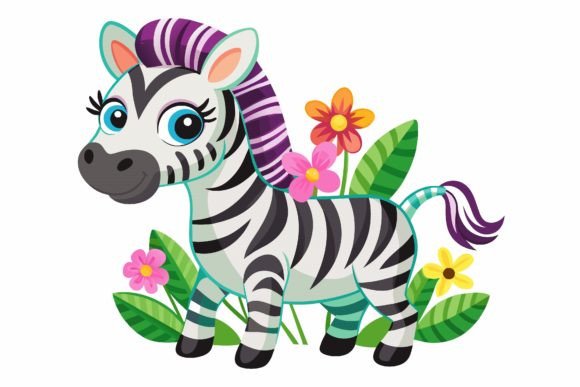
Zebra Cartoon with Flowers Graphics & Illustrations
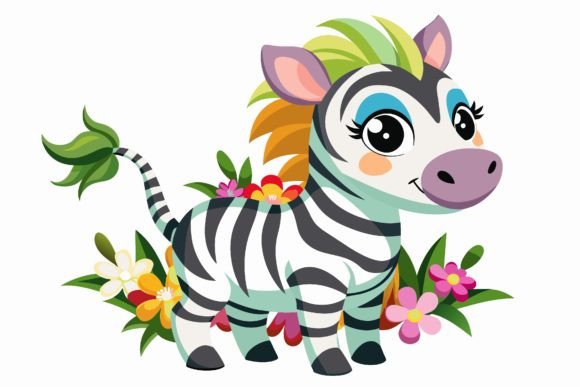
When I first opened the Zebra Animal Cartoon with Flowers on a file set, I immediately thought of spring product collections, nursery prints, and cheerful stationery. The visual personality isn't overly loud or juvenile. It strikes a nice middle ground—playful enough for a child's birthday invitation, but refined enough that an adult planner sticker or a boutique tea towel design wouldn't feel out of place. The floral elements are woven around the zebra character with a decorative, almost whimsical hand-drawn quality. For small business owners building a cohesive seasonal lineup, this one graphic design asset can stretch across multiple product types without feeling repetitive.
From a seller's perspective, the artwork's mood leans cute with a touch of rustic charm. The linework feels approachable, not overly polished or vector-perfect, which actually works to its advantage. Many digital download shoppers on Etsy and Creative Fabrica are actively looking for that handmade warmth—assets that don't look like sterile stock art. The zebra's expression is gentle, the flowers add softness, and the overall composition lends itself beautifully to decorative layouts. When I tested it on a simple nursery wall art mockup and a set of printable greeting cards, the perceived value of the final product rose noticeably just because the illustration felt intentional and personable.
First Impressions and Niche Appeal
Before you list anything built around this zebra animal cartoon with flowers on a design, it's smart to define the niche. Is it baby shower decorations? A woodland-meets-safari nursery theme? A bohemian kids' brand? The flower style and animal expression will dictate which buyer you attract. In this case, the florals lean toward soft blooms—think simple daisies, wildflowers, or folk-art blossoms—which makes it a great fit for a feminine, nature-inspired aesthetic. I could immediately see it working for:
- Printable nursery wall art sets
- Birthday invitation templates in Canva
- Scrapbooking kits and journaling card bundles
- Sublimation designs for baby onesies or toddler tees
- Sticker sheets for planner shops
Because the character is a zebra, there's also a subtle safari twist without going full jungle. That gives you room to mix it with other animal illustrations for a cohesive children's collection. If you're a print-on-demand seller on Shopify or Redbubble, this single graphic could live on mugs, tote bags, and framed prints simultaneously, all maintaining a consistent brand identity. The key is that the asset feels versatile without being generic.
Testing the Asset Across Real Product Scenarios
In my own shop, I don't ever upload a design without running it through a gauntlet of mockup tests. For this zebra animal cartoon with flowers on a design, I started by placing it into a product mockup for a toddler t-shirt. The colors separated cleanly from the background, and the PNG transparency held up perfectly. No jagged edges, no white halos. Then I moved it to a mug template—the composition filled the print area nicely without requiring awkward stretching. That alone tells me this illustration was built with commercial products in mind.
Next, I imported the SVG design into Cricut Design Space. This is where many assets fail sellers. The cut lines need to be clean, the paths closed, and tiny details not so fragile that weeding becomes a nightmare. Here, the zebra's mane and the flower petals are detailed but not unworkably intricate. I sized it down to a 2-inch sticker and up to an 8-inch iron-on decal. At larger sizes, the lines remained crisp; at very small sizes, the delicate flower centers began to lose definition. That's not a flaw—it's just reality. I'd confidently sell this as a mug design, tote bag print, or framed art. For tiny sticker details, I'd simplify or pair it with a bolder companion graphic.
Where the Design Shines Naturally
After testing, I can say this illustration performs best in products where the artwork is the hero. Think large printable wall art, toddler apparel, greeting cards, and digital scrapbook paper. The floral details and the zebra's expression create immediate visual appeal in a thumbnail, which is critical for Etsy product click-through rates. When I mocked up a listing image with a light blush background and elegant script text, the design felt like a premium boutique item, not a budget download.
It also works exceptionally well in themed bundles. Pairing this zebra with a coordinating floral lion, giraffe, or elephant creates a cohesive nursery collection that justifies a higher price point. As a design bundle, the set feels intentional and curated. For Canva template sellers, dropping this illustration into an invitation template or a birth announcement layout is straightforward. The character sits comfortably in a frame or as a focal point without competing with text.
Where Caution Is Necessary
No graphic is universal, and honest assessment matters. For this zebra animal cartoon with flowers on a design, I'd be careful in a few specific scenarios:
- Tiny sticker sheets: The fine flower details might blur or become illegible below 1.5 inches. If your niche is planner stickers, consider offering a simplified version or clearly showing scale in your listing images.
- Overly complex layouts: If you're designing a social media graphic with heavy text overlays, the illustration could visually compete. Use it as a supporting element, not the backdrop for paragraphs of copy.
- Dark backgrounds: Depending on the color palette of the file you receive, some linework may lose contrast on deep navy or charcoal. Always test on both light and dark substrates.
- Low-resolution print products: For physical items printed at low DPI, the softness of the hand-drawn style might become muddy. High-resolution PNG and vector formats are your friends here.
- Clean cutting lines: If you're creating a sticker kiss-cut outline or a Cricut print-then-cut shape, you may need to manually add a smooth offset path. The natural, slightly textured edge of the illustration doesn't always translate to a clean automated cut.
These aren't reasons to avoid the design. They're just practical checks every digital product creator should make before publishing a listing. When I include notes like this in my own product descriptions, customers trust me more—and returns drop. Transparency about limitations builds a better creative marketplace presence.
Using the Illustration to Boost Product Presentation
Beyond the final product, think about how this asset can elevate your branding. I often use a single versatile illustration as the centerpiece of a collection's product mockup, then design coordinating listing images around it. The zebra's cheerful, botanical feel lets you build a narrative: a baby shower suite with matching thank-you cards, a party pack with cupcake toppers and banners, a nursery set with a framed print and a soft pillow. When customers see a cohesive visual story, the perceived value jumps, and your shop looks professional and curated.
For thumbnail appeal, I test the graphic at a tiny size on my phone screen. Does it still read clearly as a zebra with flowers? In this case, yes—the silhouette is distinct enough. I then pair it with both serif and script fonts to see which feels more aligned. A playful handwritten font enhances the childlike charm; a clean sans serif gives it a modern, minimalist nursery vibe. Knowing this lets me write a listing description that speaks directly to the buyer's aesthetic intent rather than just listing file types.
Practical Seller Notes and File Considerations
Before you upload anything to your shop, confirm exactly what you're receiving. A statement like “We provide high quality design products, which you can customize or change according to your needs and tastes. We provide our designs in several file for” suggests flexibility, but you need to verify the specifics. In my workflow, I look for:
- A well-organized folder structure (PNG, SVG, JPG, and ideally a DXF or EPS for cutting machines)
- PNG files with true transparency at 300 DPI
- SVG files with properly grouped layers and clean path structures for Cricut and Silhouette users
- No watermarks or sample text on the commercial files
Once confirmed, I rename files descriptively so that customers don't receive a zip full of “design_01.png” and get frustrated. A little organization on the backend increases repeat sales. I also verify the commercial license terms—most sellers allow physical product creation and digital product use within flattened templates, but always check if reselling as-is clipart is permitted. For this zebra and flowers design, the intended use seems clearly aimed at product creation, so you're likely safe, but due diligence protects your business.
For print quality, I ran a test print on matte cardstock and on a sublimation-ready polyester fabric. The colors printed true to the screen preview, with no unexpected banding. If your particular file version includes soft pastel tones, a slight vibrance boost can make the design pop on a mug or tumbler wrap without distorting the original charm.
Building a Seasonal Collection Around This Asset
One clever way to maximize this illustration is to design a small spring or baby-themed collection that you can release as a design bundle. Because the zebra is neutral enough, it lives comfortably in Easter, Mother's Day, and “new baby” categories. I'd create a matching set of patterns—maybe a gingham or a simple floral repeat—using the same color palette, then offer printable paper, a banner template, and a few coordinating clipart pieces. This transforms one graphic into a full-fledged product line that feels cohesive and premium.
For bloggers and content creators, this illustration also works beautifully as a recurring visual in seasonal posts, newsletter headers, or Pinterest pins. Its soft style invites clicks without screaming “salesy.” I've used similar assets to brand my own product launches, and the gentle, artistic quality often outperforms corporate-looking graphics.
Pairing Fonts for Maximum Impact
Typography can completely shift the vibe of a design. In my mockups, I tested this zebra graphic with:
- Serif fonts: Elevated the design to feel like a classic children's book illustration—perfect for wall art and literary-themed products.
- Sans serif fonts: Gave it a clean, modern birth announcement look, ideal for minimalist parents.
- Script and handwritten fonts: Made the product feel intimate and handcrafted, great for greeting cards and thank-you tags.
- Display fonts: A playful, chunky typeface turned it into a bold birthday shirt graphic without overwhelming the zebra.
If you're a Canva template seller, providing these typography pairings inside your templates adds value that customers will appreciate. They'll see that you've thought about the end use, not just tossed a PNG into a template and called it a day.
Final Verdict from a Product Testing Perspective
After running this zebra animal cartoon with flowers on a design through multiple real-world product simulations, I'd confidently place it in my asset library for client work and shop products. It lands in that sweet spot where a single illustration can drive an entire collection without feeling like a one-trick pony. The hand-drawn quality adds warmth, the floral details expand the seasonal and demographic appeal, and the subject matter avoids trendiness that would date it quickly.
For print-on-demand sellers, this will sell well on apparel and home decor. For digital download store owners, it's a strong candidate for printable wall art, card templates, and scrapbook bundles. Cricut users will find it friendly to cut, provided they stay above tiny sticker sizes and add an offset when needed. Small business branding projects can also benefit from the soft, approachable style, especially in the baby, children's, and boutique gift niches.
As with any commercial graphic, your own presentation will be the deciding factor. Test the print, mock up multiple products, preview the thumbnail, and be honest about sizing limitations in your listing. When you do that, this charming zebra and flower design becomes more than a pretty picture—it becomes a reliable, versatile asset that helps you build a professional, cohesive online shop and keeps customers coming back for the next coordinated piece.