Shark Cartoon with Flowers: Graphics & Illustrations Review
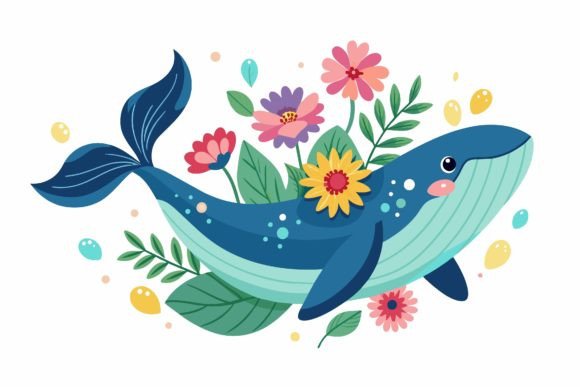
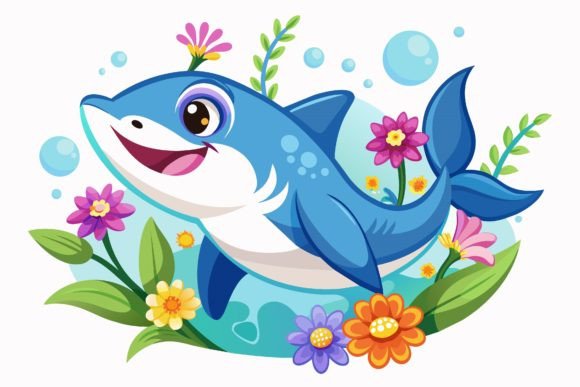
When I first opened the Shark Animal Cartoon with Flowers on a design file, I immediately recognized its potential for content publishers who need to strike a very specific tone. This is not the aggressive, predatory shark imagery that dominates stock libraries. Instead, the asset delivers something far more useful for modern digital publishing: a character that feels friendly, slightly whimsical, and visually soft enough to work across lifestyle blogs, educational websites, and creative brand platforms without intimidating the reader. The floral elements introduce a gentle decorative layer that transforms what could be a one-note animal graphic into a genuinely versatile editorial illustration. As someone who has spent years selecting and testing graphic design assets for real content workflows, I can tell you that finding this balance between playful character design and polished presentation is rare. Most cartoon animals lean too juvenile or too corporate. This shark cartoon with flowers sits comfortably in the sweet spot where creative entrepreneurs, newsletter creators, and affiliate marketers need their visuals to live.
The Editorial Mood You Are Actually Buying
What you are really evaluating when you preview the Shark Animal Cartoon with Flowers on a illustration is the emotional signal it sends before a single headline gets read. The combination of the shark's expression and the floral arrangement creates a contrast that feels intentional rather than accidental. This is not a fearsome ocean predator. It is a character that communicates approachability, curiosity, and a touch of artistic whimsy. For publishers running content about parenting, early childhood education, marine conservation for families, or even mental health and emotional resilience, that mood alignment is everything. A reader who lands on your article about coping strategies for anxious children will respond differently to a cold stock photo than to a warm, hand-drawn-style shark surrounded by flowers. The visual primes them for the tone of your writing. That is the kind of editorial design thinking that separates high-performing content from pages that get closed in under three seconds.
The floral component also gives the asset a seasonal flexibility that pure animal illustrations lack. You can position this graphic in spring content calendars, summer ocean-themed roundups, or even autumn posts by adjusting the surrounding color palette in your layout. The shark stays constant while the flowers invite seasonal interpretation. This adaptability is something I always look for when reviewing blog graphics and design assets destined for long-term content libraries rather than one-off social posts.
Content Niches That Will Immediately Benefit
After studying the Shark Animal Cartoon with Flowers on a graphic across multiple preview layouts, several content niches stand out as natural homes for this asset. The first and most obvious is the family lifestyle and parenting space. Bloggers writing about children's book recommendations, sensory play activities, or emotional learning tools will find the shark character fits seamlessly into their visual system. The flowers prevent the graphic from feeling gendered or overly masculine, which is a common challenge with shark imagery. This makes the asset equally useful for websites targeting broad family audiences.
Educational publishers and online educators represent a second strong niche. Marine biology units, ocean literacy programs, and science communication aimed at younger learners often need visuals that balance factual content with engaging presentation. The shark cartoon with flowers provides exactly that bridge. A downloadable worksheet or digital guide featuring this illustration feels inviting rather than dry, which directly impacts completion rates and reader engagement in educational content marketing.
The third niche that deserves mention is the creative small business community. Stationery designers, printable product creators, and Canva template sellers constantly need fresh character illustrations that carry enough personality to differentiate their offerings. The Shark Animal Cartoon with Flowers on a graphic works beautifully as a focal point on digital download covers, lead magnet previews, and social media graphics promoting seasonal shop updates. It reads as intentionally designed rather than generically sourced, and that perception of originality matters enormously in creative marketplace positioning.
Where This Asset Performs Best in Real Publishing Layouts
Over the years, I have tested thousands of illustrations inside live content environments, and placement determines at least half of an asset's effectiveness. For the Shark Animal Cartoon with Flowers on a design, the strongest use cases cluster around medium-to-large display areas where the details of both the shark character and the floral elements remain visible and legible. Here is where I would deploy this graphic without hesitation:
- Blog featured images and article hero graphics — The shark and flower composition creates an immediate focal point that works beautifully with overlaid headline text positioned to the side or below the character. The floral details add visual interest without competing with typography.
- Pinterest pins in vertical format — The tall aspect ratio of standard Pinterest graphics gives you room to showcase the full illustration while layering text elements. The playful shark character tends to generate strong save rates in lifestyle and parenting categories.
- Newsletter headers and email graphics — Subscribers opening your weekly digest respond to consistent visual warmth. Using the shark cartoon with flowers as a recurring branded element builds recognition without requiring photographic consistency across every send.
- Digital product covers and lead magnet previews — Whether you are offering a free printable activity pack or a paid digital guide, the illustration signals quality and care before the recipient ever opens the file.
- Website category thumbnails and resource library graphics — For blogs with robust content archives, category-level visuals help readers navigate. The shark design works particularly well for ocean-themed, summer, or family activity categories.
- Canva template designs and editable social media layouts — The illustration integrates smoothly into template workflows where users need to swap colors or add their own text layers without disrupting the core visual appeal.
When to Exercise Caution With This Graphic
No design asset works everywhere, and honest asset reviews require acknowledging the limitations alongside the strengths. The Shark Animal Cartoon with Flowers on a illustration carries a distinctly playful and decorative character that makes it less suitable for certain publishing contexts. If your website operates in a serious professional niche such as corporate finance, legal services, or medical practice marketing, the whimsical tone of the shark cartoon with flowers may undermine the authority you are working to establish. The floral and cartoon elements, while beautifully executed, signal creativity and lightness rather than gravitas.
Small mobile thumbnails present another consideration. On smartphone screens where the graphic may render at very reduced dimensions, the floral details and the shark's facial expression can become difficult to parse. If your primary use case involves tiny circular thumbnails or heavily compressed mobile previews, test the asset at that scale before committing it to your content workflow. The illustration shines at larger sizes where the details breathe.
Text-heavy blog images with dense headline overlays also require careful handling. The floral elements create natural visual complexity that may clash with busy typography. I recommend placing text in cleaner areas of the composition or using the illustration as a standalone visual element paired with text outside the image frame. The design works best when given room to communicate its personality without competition from overlaid words.
For websites with a very minimal or monochromatic brand identity, the multi-element nature of the shark cartoon with flowers may feel visually heavier than the rest of your design system. This does not mean you cannot use it, but you may need to adjust surrounding elements to maintain visual hierarchy and consistency across the page.
The Publisher's Technical Checklist Before Going Live
Every experienced content publisher develops a pre-publication routine for design assets, and I want to share the specific checks I would run before making the Shark Animal Cartoon with Flowers on a graphic part of a live site or campaign. These steps prevent the kind of small visual failures that quietly erode reader trust and brand identity over time.
Start by previewing the illustration on both desktop and mobile screen widths. What looks crisp and legible on a large monitor can become muddy on a phone screen if the file has not been optimized or if the floral details are too fine. Check the graphic inside an actual blog post layout rather than evaluating it in isolation. Surrounding elements such as sidebar content, navigation menus, and related post grids will affect how the illustration reads in context. A design asset that looks stunning on a blank canvas can become visually lost or overwhelming when placed inside a real web design framework.
Test the shark cartoon with flowers against multiple font families before finalizing any text overlays. I routinely pair illustrations with serif fonts, sans serif fonts, script fonts, handwritten fonts, and display fonts to understand the full range of typographic compatibility. The floral elements in this particular graphic tend to harmonize beautifully with soft serif and handwritten styles, while clean sans serif pairings create a pleasing modern contrast. Script and highly decorative display fonts require more careful placement to avoid visual competition with the flower details.
Contrast and readability deserve dedicated attention. Preview the graphic in grayscale or black and white to understand how it performs when color is stripped away. Some readers use accessibility tools, some devices render colors differently, and some print contexts require monochrome output. If the illustration still communicates clearly without its color palette, you have a more robust asset than one that collapses into unrecognizable shapes.
File size management is a practical concern that directly impacts page speed and search performance. Large illustration files can slow down load times and hurt both user experience and search rankings. Compress the graphic appropriately for web use without visibly degrading quality. Many publishers overlook this step and then wonder why their beautifully designed pages underperform in Core Web Vitals assessments. A properly compressed file preserves the visual integrity of the shark cartoon with flowers while keeping your site fast and responsive.
Commercial Use and Licensing Confidence
Publishers operating monetized websites, affiliate content pages, or paid digital product shops need absolute clarity on licensing before integrating any graphic into revenue-generating workflows. The Shark Animal Cartoon with Flowers on a design comes from a creative marketplace that provides high-quality graphic design products intended for customization and real-world use. However, every publisher should independently verify that their specific usage falls within the scope of the included commercial license. Using the illustration on a monetized blog, an affiliate marketing landing page, or a paid digital product may carry different licensing requirements than using it on a non-commercial personal website.
Take the time to confirm what the license allows regarding print-on-demand products, editable template redistribution, and use in client work if you are a designer creating assets for third-party brands. The file format options provided with this design product give you flexibility to customize the artwork according to your specific needs and tastes, but customization does not override licensing terms. Responsible publishers document their licenses and keep records of usage rights for every design asset in their content library. This protects your business as you scale.
How the Shark Cartoon With Flowers Strengthens Content Performance
Visual assets influence content performance in measurable ways, even when the connection feels intuitive rather than data-driven. A blog graphic that creates a strong first impression increases the likelihood that a visitor stays on the page long enough to engage with your headline and opening paragraph. The Shark Animal Cartoon with Flowers on a illustration accomplishes this by being visually distinctive in a feed full of generic ocean photography and clip-art-style animal graphics. Its originality buys you a moment of reader attention, and in content publishing, that moment is everything.
Clearer visual hierarchy emerges when the illustration is used as a hero element that naturally draws the eye to the most important content on the page. Rather than competing with your headline, a well-placed shark cartoon with flowers can frame it, support it, and guide the reader's gaze toward the text you want them to read first. This is the quiet work of professional editorial design that many publishers feel but cannot always articulate.
Click-through potential improves when the graphic appears in contexts where readers make split-second decisions. A Pinterest pin featuring the shark cartoon with flowers competes against dozens of other pins in a user's feed. The combination of a recognizable animal character and decorative floral elements creates visual stopping power that generic pins often lack. The same principle applies to newsletter previews, social media thumbnails, and category archive pages where multiple content options fight for attention.
Consistent use of distinctive illustrations like this one builds brand identity over time. Readers who encounter your shark cartoon with flowers on a blog post, then again in a newsletter, and later on a downloadable resource begin to associate that visual style with your content. This recognition builds trust and increases the likelihood of return visits. For small business branding and content marketing efforts that depend on long-term audience relationships, that consistency is far more valuable than chasing trends with disposable visuals.
Integrating the Asset Into a Cohesive Visual System
One illustration rarely stands alone in a mature publishing workflow. The Shark Animal Cartoon with Flowers on a graphic works best when integrated into a broader visual system that includes complementary colors, consistent typography, and other design elements that share its playful yet polished character. If your blog already uses a defined color palette, extract tones from the flowers in the illustration to create visual harmony across your website header, category visuals, and social media graphics. This creates a unified look without requiring every asset to feature the exact same illustration style.
For publishers who rely on Canva templates or other design platforms to produce content quickly, the shark cartoon with flowers can serve as a signature element that elevates template-based graphics above the sea of sameness that plagues many content sites. Drop it into a recurring pin template, use it as a consistent newsletter header element, or feature it on your resource library landing page. The repetition builds visual equity that compounds with every publication.
The digital download and printable design communities will find particular value in this illustration for creating affiliate content visuals that feel original rather than stock-derived. An affiliate roundup of children's books about marine life, for example, becomes visually compelling when the featured image includes an original shark illustration rather than a generic product collage. The perceived value of the content increases, and with it, the likelihood of clicks and conversions.
Ultimately, the Shark Animal Cartoon with Flowers on a graphic design product delivers what experienced publishers need most: an illustration with distinct personality that adapts across multiple content formats without losing its visual identity. It supports stronger first impressions, clearer editorial presentation, and more consistent branding across blog posts, newsletters, social media, and digital products. For content creators building long-term publishing assets rather than chasing short-term traffic spikes, that kind of versatile, well-designed illustration represents genuine value. Test it in your layouts, pair it with your fonts, compress it for your site speed requirements, and confirm your licensing. Then put it to work building the kind of visually confident content that earns reader trust and repeat visits.