Rams Sport Team Badge. Animal Head Logo
First Impressions: Bold, Clean, and Ready for Stitching
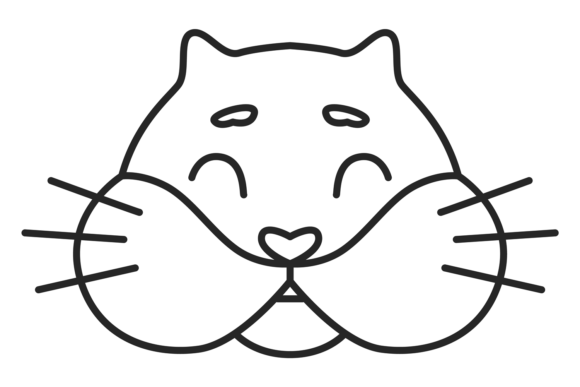
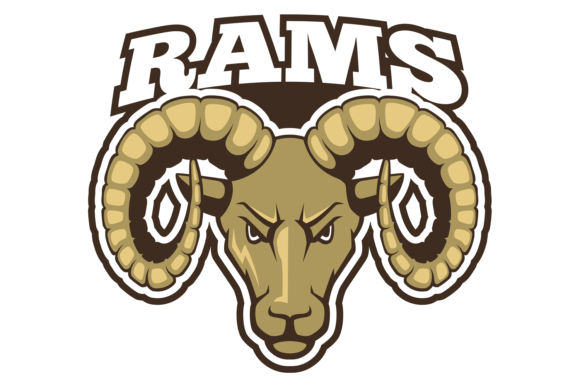
When I opened the Rams Sport Team Badge. Animal Head Logo, my first thought wasn’t “cute” or “trendy”—it was “this will hold up.” The animal head is stylized but unmistakably ram: strong horns, confident gaze, compact silhouette. It’s centered, well-proportioned, and built for impact—not clutter. No tiny antlers, no fussy gradients, no overlapping layers that scream “stitching nightmare.” As an embroidery designer who’s seen too many vector files collapse under thread tension, I appreciated how cleanly the outline separates from the background. That isolation on white isn’t just for mockups—it’s a signal this was made with real-world stitching in mind.
Where This Design Naturally Lives
I recently used the Rams Sport Team Badge. Animal Head Logo on a custom embroidered tote bag for a local youth sports camp. It stitched cleanly on medium-weight canvas—no puckering, no skipped stitches. The shape filled the 4” hoop comfortably, and the clean lines translated beautifully into satin stitch for the outer edge and smooth fill stitch for the head. It also worked surprisingly well on a lightweight cotton apron for a small-batch kitchen boutique—minimal detail meant no thread buildup, and customers commented on how “crisp” and “professional” it looked next to hand-stitched monograms.
This design shines on sweatshirt embroidery (especially left-chest placement), embroidered patches for team gear, baby onesies (scaled down to ~2.5”), and pillow covers where bold recognition matters more than fine texture. For Etsy sellers and craft fair vendors, it’s a smart anchor for themed bundles—think “Rams & Recess” nursery decor or “Team Ram” holiday gift sets. Its versatility across apparel, home goods, and personalized gifts makes it stronger than most generic animal logos in the Illustrations category.
Real Embroidery Considerations—Not Just Theory
That said, don’t assume it’s foolproof everywhere. On thin or stretchy fabric like jersey tees, I recommend testing with tear-away + cut-away stabilizer—some inner curves can shift if the base isn’t locked down. On dark fabric, double-check thread color contrast; the logo’s solid silhouette reads best with high-contrast thread (e.g., navy on cream, charcoal on heather grey). And while it works on curved surfaces like caps, avoid placing it too close to the bill seam—the horn tips may distort slightly without careful digitizing adjustments.
I wouldn’t push it below 2” wide in machine embroidery design use. Tiny lettering isn’t part of this badge, but the inner eye detail and horn grooves do shrink fast—below 1.75”, those features risk becoming indistinct blobs. Also, skip it for ultra-textured fabrics like heavy terry cloth unless you’re willing to adjust stitch density manually. Dense fill areas need breathing room, and this design doesn’t skimp on coverage—so plan your stabilizer accordingly.
What It Adds to Your Finished Product
Customers notice confidence. A clean, balanced logo like the Rams Sport Team Badge. Animal Head Logo elevates handmade product perception instantly—whether it’s a $28 embroidered tea towel or a $95 custom blanket. It reads as intentional, not clip-art. That builds trust, especially for small shop owners selling online: buyers scroll past messy, low-res graphics in under two seconds. This one stops them. It supports brand consistency without demanding a full identity system—you can pair it with simple sans-serif fonts or neutral palettes and still feel cohesive.
For digital embroidery file sellers, it’s a reliable commercial embroidery asset. Its simplicity means fewer support requests about stitch-outs, and its theme fits broad niches: school spirit, farm life, outdoor clubs, even gentle mascot branding for pediatric practices or early childhood programs. Just remember—if you’re reselling finished items (like embroidered caps or baby blankets), confirm licensing terms apply to your use case. The file formats (EPS, JPG, SVG, transparent PNG) suggest flexibility for both physical stitching and printable mockups—but none replace actual test stitching.
Practical Designer Notes You’ll Actually Use
- Always test on scrap fabric first—especially with your exact thread, stabilizer, and machine settings. That horn curve behaves differently on fleece vs. twill.
- Check thread color contrast in natural light, not just on screen. What looks sharp in RGB may mute on oat-colored linen.
- Review stitch density before hooping. If your version runs dense, consider reducing fill density by 5–10% for lightweight fabrics.
- Confirm hoop size compatibility. While the logo scales well, avoid stretching it beyond your machine’s max stable width (e.g., >5” on older Brother models).
- Inspect small details at 200% zoom in your embroidery software—look for stray nodes or overly tight corners that could snag thread.
- Test black-and-white mockups to see how it reads without color—this reveals clarity issues invisible in full color.
- Compare light and dark fabric backgrounds in your design prep. Some inner shadows or outlines may need subtle tweaks.
- Use proper stabilizer: cut-away for knits, tear-away for stable wovens, and fusible for layered garments like reversible aprons.
- Verify dual-use suitability—if you’re selling both the digital embroidery file and finished embroidered patches, ensure license terms cover both.
Final Thought: A Workhorse, Not a Gimmick
The Rams Sport Team Badge. Animal Head Logo isn’t flashy. It won’t go viral for novelty—but it will sell quietly, consistently, across dozens of handmade product categories. It fits the sweet spot between expressive and functional: recognizable enough for team pride, refined enough for boutique branding, sturdy enough for daily wear. For craft business owners juggling Etsy listings, craft fairs, and custom client work, that reliability is gold. It’s the kind of Graphics asset you keep in your “go-to folder”—not because it’s perfect, but because it’s predictably, practically good.