Octopus Line Icon. Sea Animal. Underwate
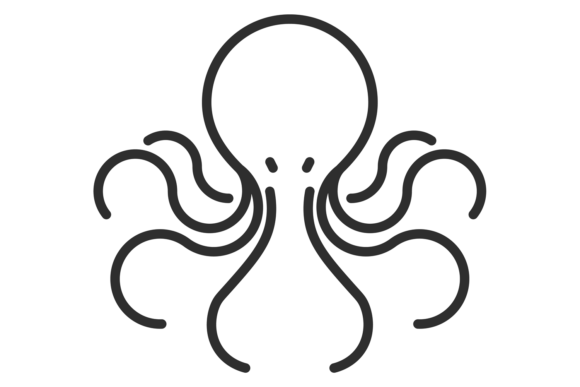
As a designer who’s stitched hundreds of marine-themed pieces—from baby onesies to boutique aprons—I opened Octopus Line Icon. Sea Animal. Underwate expecting simplicity, but what stood out immediately was its quiet confidence. It’s not playful or cartoonish; it’s calm, fluid, and subtly expressive—like an octopus drifting just beneath the surface. The single-line construction feels intentional, not minimal for minimalism’s sake. There’s weight in the curves, rhythm in the tentacle flow, and just enough asymmetry to avoid feeling sterile. This isn’t a clipart filler—it’s a design that holds space.
What It Actually Embroiders Like (Not Just What It Looks Like on Screen)
Last week, I prepped a batch of organic cotton tote bags for a coastal-themed pop-up shop—and Octopus Line Icon. Sea Animal. Underwate was my test candidate for left-chest embroidery. On screen, it looked clean. In stitch? Even better. With a 40–50mm hoop and medium-weight tear-away stabilizer, the line held true: no skipped stitches, no thread nesting, and zero distortion on the slightly textured fabric. Because it’s a pure line icon—no fills, no satin borders—it translated cleanly into a running stitch file with light, even density. That meant faster stitching, less thread waste, and crisp definition even at 3.2” wide.
I also ran it on a soft cotton-blend sweatshirt (light gray, brushed interior). Here’s where many line icons falter—stitching gets lost in nap or pulls on stretch. But because this design avoids tight corners and abrupt angles, the machine handled it smoothly. Tentacle tips stayed sharp, not blunted. No need for underlay or heavy topping—just standard cutaway stabilizer and 40wt polyester thread. For baby embroidery or nursery decor, that’s gold: gentle on delicate fabrics, easy to wash, and visually soothing without being dull.
Where It Fits Naturally (and Where It Doesn’t)
Octopus Line Icon. Sea Animal. Underwate shines brightest on products where subtlety reads as sophistication—not noise. Think:
- Embroidered tea towels and kitchen linens (especially paired with linen or unbleached cotton)
- Minimalist baby caps and swaddle sets
- Small-batch tote bags and market aprons for ocean-conscious brands
- Patches for backpacks, denim jackets, or swimwear totes
- Personalized pillow covers for coastal rentals or nursery rooms
It’s not built for dense applique or layered fill-stitch effects—so skip using it as a centerpiece on a heavily textured sweater or a quilt block with intricate background quilting. Likewise, avoid placing it near seams, curved brims (like structured caps), or highly stretchy knits unless you’ve tested stabilization thoroughly. On dark fabric, confirm your thread color has enough contrast—the line is fine enough that navy-on-black can disappear unless you use bright white or metallic silver.
Why Craft Business Owners and Etsy Sellers Should Pay Attention
If you sell handmade products, your customers don’t just buy embroidery—they buy intention. A well-chosen icon like Octopus Line Icon. Sea Animal. Underwate quietly signals care: clean lines suggest craftsmanship, marine themes evoke calm and curiosity, and its isolated composition makes it easy to pair with custom names, dates, or small coordinating motifs (a tiny wave, a single starfish). That elevates perceived value—especially for personalized gifts or boutique branding.
For Etsy sellers, this design works beautifully in printable mockups. Its transparent PNG and SVG versions let you drop it cleanly onto product photos—no jagged edges, no background cleanup. And because it’s categorized under Illustrations and Graphics, it fits naturally alongside other digital embroidery assets in your shop—think “coastal bundle” or “minimal animal line set.” Just remember: if you’re selling finished embroidered items, verify the license permits commercial use. If you’re reselling the file itself, double-check whether redistribution rights are included.
Real Designer Notes Before You Stitch
Before committing to a full run, do these five things:
- Test on scrap fabric first—especially if you’re using textured weaves, terry cloth, or lightweight rayon.
- Check thread color contrast in both natural and artificial light. A soft sage thread may read beautifully on cream linen—but vanish on oatmeal canvas.
- Review stitch density in your embroidery software. Since this is a line icon, avoid auto-converting it to fill or satin stitch unless you intentionally want that effect.
- Confirm hoop size compatibility. At 2.5” tall, it fits comfortably in a 4x4 hoop—but if you plan to scale up beyond 4”, inspect tentacle tips for stitch fraying or distortion.
- Use proper stabilizer: medium tear-away for stable wovens, cutaway for knits or high-wear items like tote straps or baby bibs.
Also, try viewing it in black-and-white mockups. Does the shape still read clearly? Does it hold presence on both light and dark backgrounds? That tells you whether it’ll translate across your product range—not just one best-case item.
Final Thought: It’s Not Just an Octopus—It’s a Design Decision
Choosing Octopus Line Icon. Sea Animal. Underwate isn’t about grabbing another sea creature graphic. It’s choosing clarity over clutter, calm over chaos, and craft over convenience. It works because it doesn’t shout—it invites. Whether you’re stitching a holiday gift for a marine biologist, building a cohesive line of coastal kitchen goods, or launching your first Etsy collection, this icon supports your voice instead of competing with it. It’s versatile enough for commercial embroidery projects, quiet enough for heirloom baby embroidery, and distinct enough to become part of your brand’s visual shorthand.
Just remember: great embroidery starts before the needle drops. So test, compare, stabilize—and let the octopus do what it does best: move with purpose, stay grounded, and leave room for the rest of your story to unfold.