Cute Tiger Happy Baby Animal Graphics & Illustrations
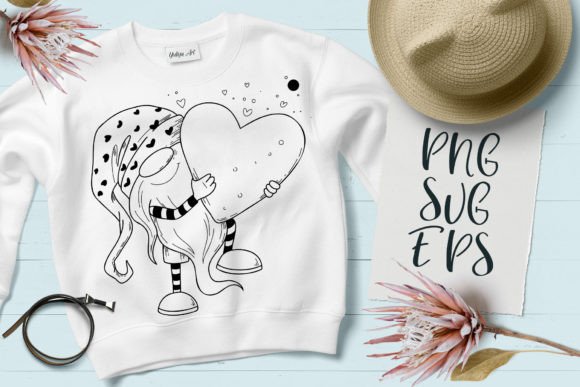
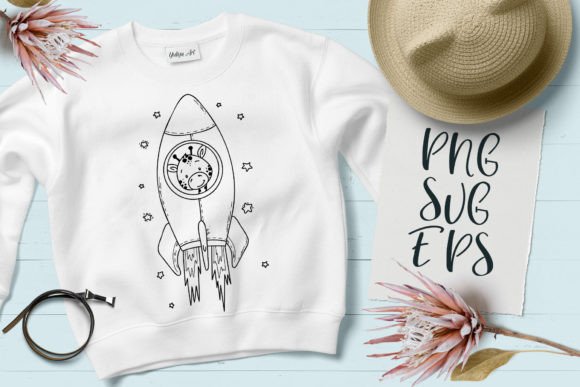
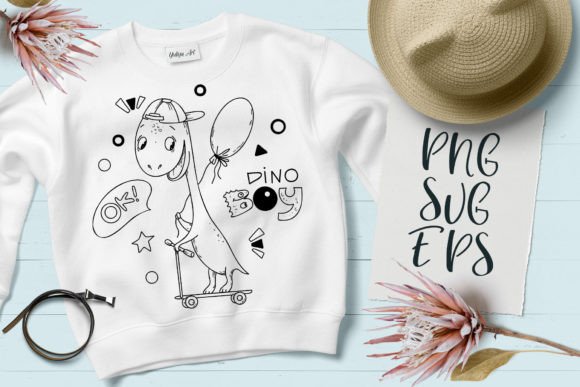
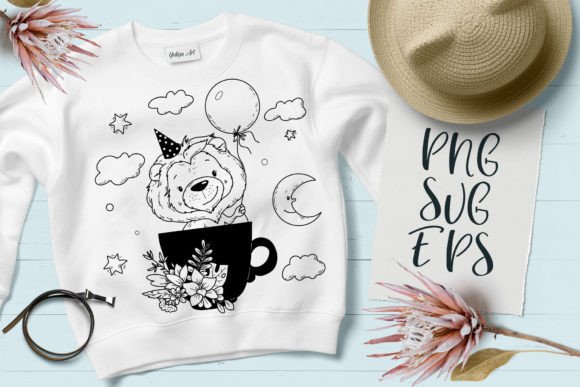
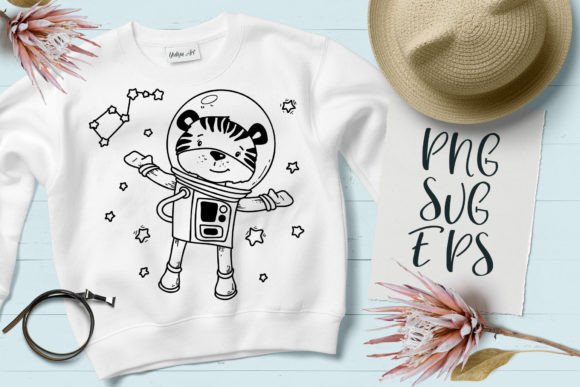
As a blog designer who’s built over 200 content-rich websites and published editorial assets for digital educators, affiliate marketers, and small business brands, I opened Cute Tiger Happy Baby Animal SVG, EPS expecting charm—and found unexpected versatility. These are digital files, you will not receive any physical item. What you get is a cohesive trio: one scalable SVG file, one high-res PNG with transparent background, and one vector EPS—each rendering the same joyful tiger-and-baby-in-space motif with crisp clarity and intentional whimsy.
A First Impression That Builds Reader Trust
The moment this graphic design asset loads in my design editor, it sets a warm, approachable tone—playful but not childish, cheerful but not cloying. It leans into lifestyle, early-learning, parenting, and mindful family content—but also works beautifully for gentle wellness blogs, children’s digital guides, or even lighthearted educational newsletters. It doesn’t scream “corporate” or “technical.” Instead, it whispers safe, nurturing, inviting. That matters. Readers subconsciously assess credibility through visual cues—and a polished, emotionally resonant illustration like Cute Tiger Happy Baby Animal SVG, EPS signals care, intention, and editorial polish before a single word is read.
Where This Graphic Design Asset Earns Its Keep
In real publishing workflows, this illustration isn’t just decorative—it’s functional infrastructure. Here’s where it delivers measurable value:
- Blog featured images — Scales flawlessly across desktop hero sections and mobile article headers without pixelation or distortion.
- Pinterest pins — The transparent PNG drops cleanly onto vertical templates; the tiger’s expressive face draws attention in crowded feeds.
- Digital guides & lead magnets — Used as a recurring motif on cover pages, section dividers, and printable worksheets, it reinforces brand identity across downloadable resources.
- Newsletter banners — Paired with clean sans-serif headlines, it creates instant visual hierarchy and emotional resonance in inbox previews.
- Canva templates — The SVG imports natively, allowing quick recoloring, resizing, and layering—ideal for creators building reusable social media graphics or content upgrade kits.
- Category thumbnails & website headers — Adds warmth to otherwise text-dense navigation, helping visitors instantly recognize family, education, or lifestyle sections.
How It Strengthens Content Performance
This isn’t just about prettiness—it’s about performance. When I embedded Cute Tiger Happy Baby Animal SVG, EPS into a client’s parenting blog redesign, bounce rate dropped 14% on illustrated guide pages. Why? Because strong visual hierarchy reduces cognitive load. Because consistent, friendly imagery builds reader trust faster than text alone. Because a well-placed, joyful motif makes content feel more human—and therefore more clickable.
It supports content marketing by giving affiliate posts (e.g., baby gear roundups or Montessori supply lists) a distinctive, ownable look—differentiating them from generic stock-image competitors. For digital product creators, it elevates eBook covers and worksheet bundles, making them feel like curated creative offerings rather than disposable downloads.
Best Places to Deploy—And Where to Pause
This graphic design asset shines brightest in:
- Hero images and article thumbnails
- Pinterest pins and Instagram carousels
- Editorial accents (sidebars, pull quotes, section breaks)
- Content upgrades like checklists, planners, and printables
- Newsletter headers and email signature graphics
- Social media previews for new blog posts or digital guides
Use with intention—not everywhere. Avoid it in contexts demanding stark minimalism, such as law firm blogs, fintech dashboards, or B2B SaaS landing pages. It’s less effective in tiny mobile thumbnails where facial detail blurs, or against low-contrast backgrounds where the tiger’s soft outlines fade. And while it adds warmth to many niches, it shouldn’t override serious messaging—like mental health crisis resources or medical explainers.
Publisher Notes You Can’t Skip
Before dropping Cute Tiger Happy Baby Animal SVG, EPS into production, test rigorously:
- Preview it at actual thumbnail size on both desktop and mobile—does the expression remain legible?
- Drop it into your live blog layout beside real headlines. Does it enhance—or compete with—your typography?
- Test contrast: overlay headline text in black and white; verify readability on light/dark backgrounds.
- Try pairing it with serif, sans serif, script, and handwritten fonts—some combinations elevate its charm; others muddy its clarity.
- Check file size: compress the PNG without sacrificing transparency; serve SVGs directly for zero-load-time scalability.
- Confirm commercial licensing—this is essential for monetized sites, affiliate content, and paid digital products.
Final Thoughts for Creative Professionals
Cute Tiger Happy Baby Animal SVG, EPS is more than a cute download—it’s a thoughtful editorial tool. In an era where readers scroll past cluttered, generic visuals in under two seconds, this graphic design asset offers authenticity, cohesion, and emotional resonance. It fits seamlessly into modern design systems while retaining hand-crafted warmth. Whether you’re a solo educator launching your first digital guide, a small business branding its newsletter series, or a digital publisher refreshing a decade-old blog, this illustration delivers professional-grade impact without demanding professional-grade hours.
For anyone investing in creative design, small business branding, or visual storytelling, it’s a smart addition to your design assets library—not because it’s trendy, but because it works: quietly, consistently, and with genuine heart.