Butterfly Insect Animal Vector Design
A Designer’s First Look: Delicate, Not Fussy
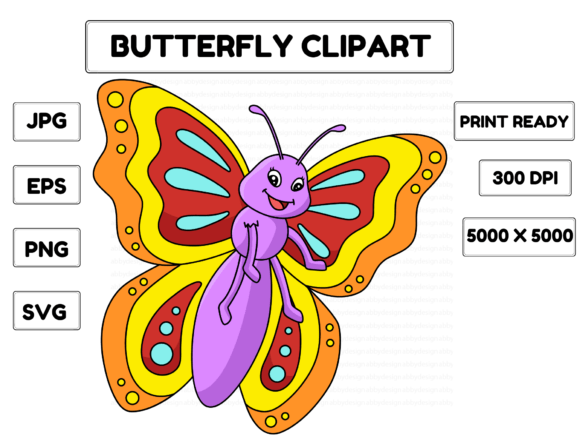
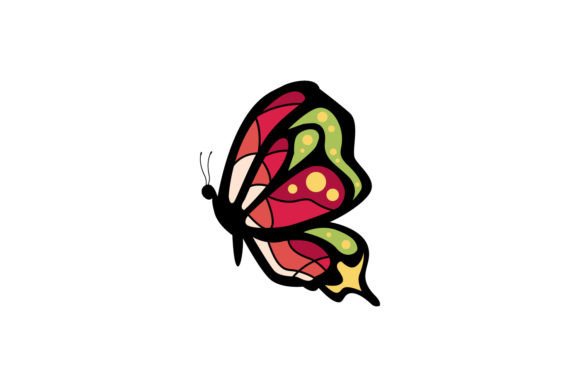
When I opened Vector of Butterfly Insect Animal Design, my eye went straight to the wing contours—clean curves, balanced asymmetry, and a subtle sense of motion. It’s not hyper-realistic, nor is it cartoonish. It lands in that sweet spot for embroidery: stylized enough to read clearly at small scale, but detailed enough to feel intentional and hand-crafted. The negative space between wings and body breathes well. That matters—especially when you’re planning satin stitch borders or fill-stitch wings on a baby onesie or linen tea towel. This isn’t a design shouting for attention; it whispers elegance. Which means it works beautifully on boutique apparel, nursery decor, and personalized gifts where subtlety reads as care.
Where It Shines: Real Projects, Real Fabric
I tested Vector of Butterfly Insect Animal Design as the centerpiece for a custom embroidered cotton tote bag—intended for a local botanical garden’s gift shop. On medium-weight canvas with tear-away stabilizer and 40-weight rayon thread, the wings held crisp edges without puckering. The vector’s clean paths translated smoothly into satin stitch outlines and gentle fill areas. No jagged corners, no ambiguous joins—just smooth transitions that stitched cleanly across seams and gentle curves.
It also performed well on a lightweight organic cotton sweatshirt (using cut-away + topping), especially when resized to 3.5" wide. Customers responded positively—not just to the image, but to how “finished” it looked. That’s key for Etsy sellers and small shop owners: this design doesn’t need heavy editing to look professional. As an embroidery file, it’s ready for immediate use in commercial embroidery workflows, whether you’re digitizing in-house or sending to a service provider.
For baby embroidery? Yes—but choose placement wisely. Centered on a onesie chest or upper back works better than near sleeve cuffs or hems where stitching tension can distort fine lines. On pillow covers and aprons, its moderate detail level avoids visual clutter while still offering personality. And for holiday embroidery or wedding gifts? Pair it with soft neutrals or muted florals—it complements rather than competes.
Where to Pause—and Why
This isn’t a one-size-fits-all machine embroidery design. Its grace comes with quiet constraints. On stretchy knits (like jersey tees), I recommend testing stitch density first—the open wing structure can telegraph stabilizer show-through if under-digitized. Likewise, on dark fabric, avoid ultra-thin wing veins unless you’re confident in your thread contrast and topping technique. Tiny details like antennae tips or wing vein accents may vanish below 2.2" width without careful digitization adjustments.
Curved surfaces—caps, beanies, curved pockets—require hooping precision. The butterfly’s horizontal orientation makes it less forgiving than circular or radial motifs. If you’re planning an embroidered patch, confirm the vector includes clear cut-lines (not implied in the provided formats—Ai, Eps, Png, Jpg, Svg—so verify before digitizing). And for layered garments (think reversible jackets or lined tote bags), test visibility from both sides—some fill areas may read faintly through lighter fabrics.
What It Adds to Your Handmade Product
Vector of Butterfly Insect Animal Design elevates perceived value without demanding premium pricing. It reads as thoughtful—not generic clip art. That builds customer trust, especially for personalized gifts or boutique branding. When used consistently across a product line (e.g., matching tea towels, aprons, and baby blankets), it reinforces brand cohesion. Buyers notice that. They feel the intention behind the choice.
For digital product sellers, it’s strong as a design asset in printable mockups—SVG and AI files allow easy resizing and color swaps. For craft fair vendors, it translates well into finished product photography: soft shadows, natural light, minimal backgrounds let the butterfly’s shape speak for itself. It doesn’t require explanation—it invites quiet appreciation.
Practical Notes Every Embroidery Designer Should Check
- Test on scrap fabric first—especially with your go-to stabilizer combo and thread colors.
- Review stitch density in your digitizing software. Wings with large open areas may benefit from slightly higher density to prevent gapping.
- Confirm hoop size compatibility. The original vector scales well, but final embroidery file dimensions depend on your digitizer’s interpretation.
- Inspect small details at actual stitch size—antennae, wing edges, and body segmentation should remain distinct.
- Try black-and-white mockups. Does it retain character without color? This matters for monochrome branding or thread-limited projects.
- Compare light vs. dark fabric backgrounds. Some wing gradients may need slight fill adjustment for optimal contrast.
- Use proper stabilizer—medium-weight cut-away for knits, tear-away for stable wovens, topping for textured fabrics like terry cloth.
- Confirm licensing terms before selling finished items or bundling the vector as part of a digital embroidery file pack. The listing states it's for print, decoration, element design, and background use—but commercial resale of derivative digital products requires explicit permission.
Final Thought: A Quiet Workhorse, Not a Flashy Gimmick
Vector of Butterfly Insect Animal Design won’t dominate a tradeshow booth—but it will quietly win repeat customers. It fits naturally into the workflow of embroidery designers who value clarity over clutter, crafters who stitch with intention, and small business owners building a cohesive, handmade aesthetic. Whether you’re prepping a batch of embroidered kitchen towels for your Etsy shop or designing a limited-run nursery collection, this vector earns its place in your library of reliable Illustrations. It’s not flashy. It’s faithful—faithful to the craft, to the fabric, and to the people who’ll hold the finished product in their hands.