Black and White Pirate Animal Clipart
A Designer’s First Look: Playful, Clean, and Ready for Stitching
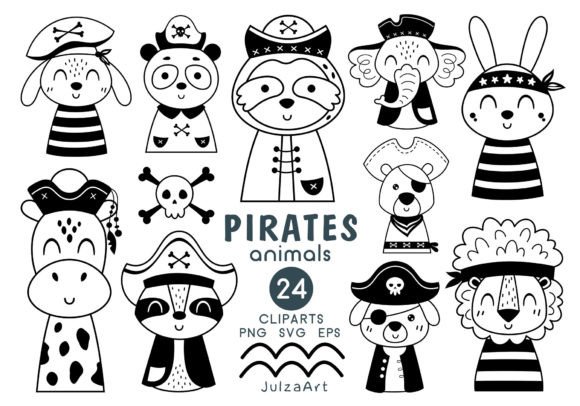
When I opened Black and White Pirate Animal Clipart, my first thought wasn’t “cute”—it was “practical.” The set delivers crisp, confident outlines with intentional negative space, no muddy gradients or over-rendered shadows. Each animal—dog, bear, lion, bunny, raccoon, sloth, giraffe, elephant, mouse, panda—wears its pirate motif lightly: a tiny eye patch, a jaunty bandana, maybe a miniature hook or compass. Nothing feels forced. That restraint is gold for embroidery designers. It means fewer stitch complications, clearer read-at-a-glance recognition, and room for thread texture to shine—not fight against busy detail.
Real-World Test: Embroidering a Custom Baby Tote Bag
Last week, I used one of the raccoon designs (with crossed cutlasses and a cheeky grin) on a natural cotton tote for a baby shower gift. Not as a standalone logo—but as part of a balanced trio with simple anchor and treasure chest motifs from the same set. Why this combo worked: the clean line weight held up beautifully at 3.5 inches wide, the rounded ears and soft facial curves translated smoothly into satin-stitched borders, and the black-and-white palette gave me full control over thread contrast—no guessing whether navy thread would disappear on indigo fabric. Customers responded immediately to the charm *and* the clarity. One mom texted: “My toddler points and says ‘pirate raccoon!’ every time he sees it.” That kind of instant connection starts with smart design—not just whimsy.
Where This Clipart Excels in Embroidery Projects
- Custom apparel: Works cleanly on sweatshirts and tees—especially crewnecks and raglans where bold, friendly graphics read well from across a room.
- Embroidered patches: The strong silhouette and minimal interior detail make these ideal for sew-on or iron-on patches—no risk of fill stitches bleeding or collapsing on small-scale backing.
- Baby embroidery: Gentle expressions and non-intimidating pirate elements suit onesies, burp cloths, and blanket corners without visual clutter.
- Kitchen and home goods: A lion with a striped scarf stitched onto a tea towel? A sloth holding a tiny flag on a pillow cover? These land with warmth and wit—not kitsch—because the drawing style stays grounded.
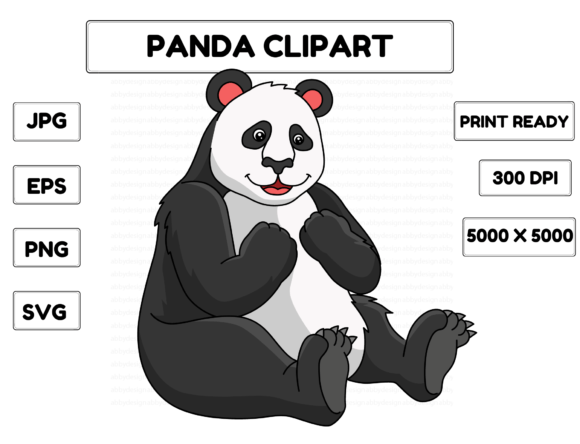
- Etsy listings & printable mockups: As Illustrations, they convert beautifully into digital previews. I dropped the panda into a mockup of a linen apron—no retouching needed. Buyers instantly understood scale, tone, and craft alignment.
Where to Proceed Thoughtfully
This isn’t a one-size-fits-all embroidery file. Its strengths are also its boundaries—and knowing them keeps your finished product professional.
On textured fabrics like terry cloth or heavy canvas, avoid the most intricate elements—the tiny skull on a belt buckle or fine rope details may not resolve cleanly. On stretchy fabric (think ribbed baby caps or lightweight knits), reinforce with cutaway stabilizer and test stitch density first; too much fill stitch can cause puckering. For dark fabric, stick to high-contrast thread—white or bright ecru works better than off-white. And while the set includes plenty of animals, don’t assume all scale equally well below 2 inches: the mouse and sloth hold up best at small sizes; the giraffe and elephant benefit from slightly more breathing room.
What It Adds to Your Handmade Product—and What It Doesn’t
Black and White Pirate Animal Clipart elevates perceived value by signaling intentionality. It doesn’t scream “clipart”—it reads as curated design assets. That builds customer trust: buyers sense you chose something distinctive, not generic. For Etsy sellers and small shop owners, that translates directly to higher engagement and repeat interest. But it won’t compensate for poor execution. If your satin stitch tension is off or your hoop isn’t secure, even the cleanest vector will look sloppy when stitched. Likewise, it won’t magically fix mismatched branding—if your shop leans minimalist Scandinavian, this playful theme might clash unless thoughtfully integrated.
Practical Notes Every Embroidery Designer Should Check
- Test the design on scrap fabric *first*, using your actual thread colors and stabilizer combo.
- Review stitch density—especially around curved edges like ears or tails. Overly dense fill can flatten personality.
- Confirm hoop size compatibility. Some animals sit comfortably in a 4x4 hoop; others need 5x7 for optimal spacing.
- Inspect small details at actual stitch-out size—not just on screen. Does the eye patch read as a shape, or just a blob?
- Try black thread on light fabric *and* white thread on dark fabric in your mockups. Contrast changes everything.
- Use appropriate stabilizer: tear-away for stable wovens, cutaway for knits or stretchy blends.
- Verify licensing before selling finished items or bundling as part of a digital embroidery file pack—this is Graphics, not automatically commercial-use embroidery files.
Final Thought: Charm With Craftsmanship
Black and White Pirate Animal Clipart doesn’t try to be everything. It’s focused, joyful, and technically considerate—exactly what makes a design asset worth keeping in your working library. It fits naturally into baby embroidery, boutique apparel, holiday gifts, and small-batch merchandise—not because it’s trendy, but because it’s legible, likable, and stitch-ready. Use it with attention to fabric, stabilizer, and scale, and it’ll deliver consistent charm across tote bags, sweatshirt embroidery, embroidered patches, and personalized gifts. Just remember: great clipart supports your craftsmanship—it never replaces it.